IISS says Russian sabotage in Europe rose 16% in a year
An IISS paper says Russian sabotage incidents in Europe rose 16% in the year to September and warns that a mass-casualty incident is possible.
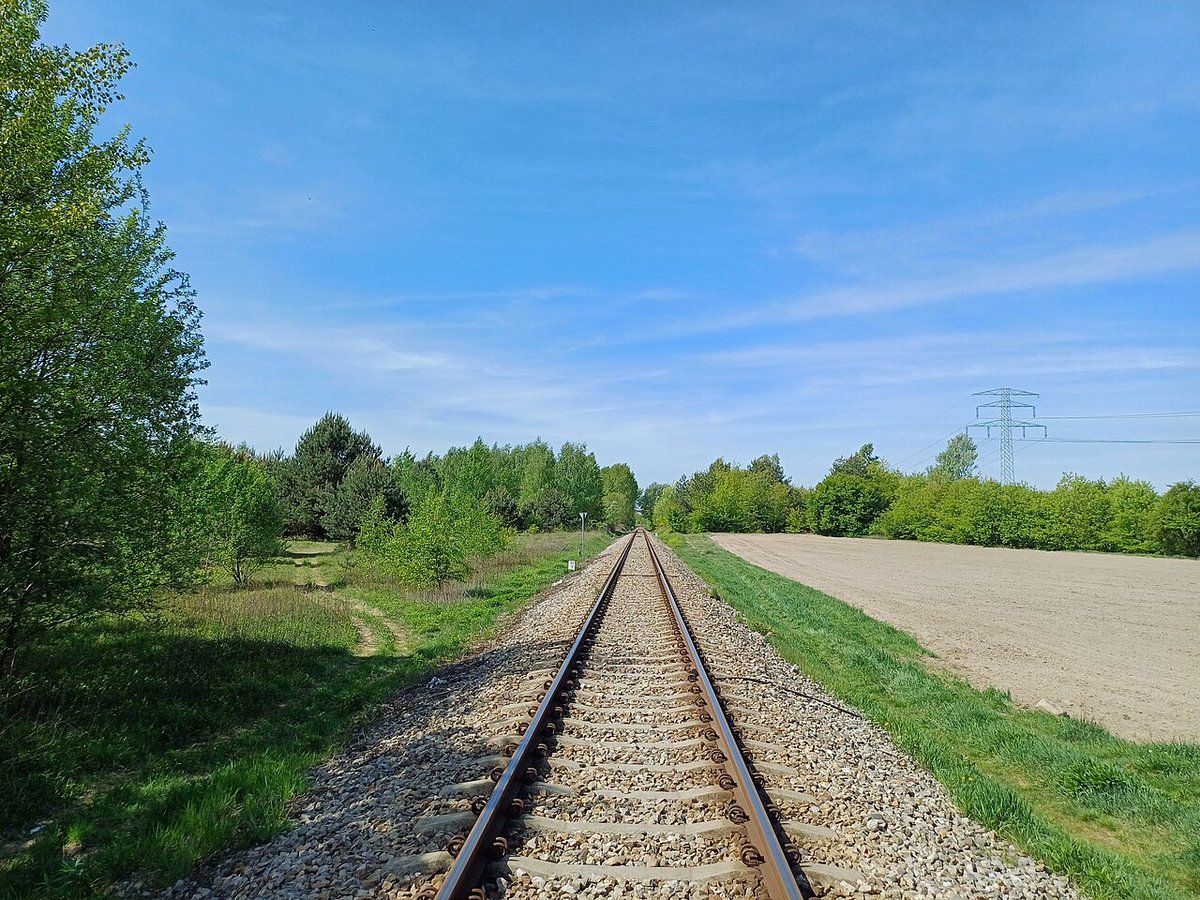
This image is believed to be available for open use. Credit: Botev / Wikimedia Commons. If you are the rights holder and object, contact us and we'll remove it.
As of 4:40 p.m. ET, Friday, Nov. 27, 2026
The International Institute for Strategic Studies said Russian sabotage incidents in Europe rose by 16% in the 12 months to September 2026, even as total recorded activity fell, and that the use of arson and explosives roughly doubled.
The findings are in a research paper, "Russia's Unconventional War on Europe: Sabotage, Deterrence and Future Scenarios," dated November 2026 and written by Charlie Edwards, a senior fellow for strategy and national security; Tom Field, a research fellow for strategy and national security; and Zoe Lambert, a research assistant for strategy and national security. The institute issued a press statement on Thursday, Nov. 26, 2026. The paper says the authors' database "is compiled exclusively from publicly available information and therefore likely does not capture the full extent of Russian operations," and that, because its scope is wider, the figures are not directly comparable with those in an IISS paper published in August 2025.
"It is highly likely that Germany and Poland will remain the most targeted states," the paper's key judgements say, because their transport, logistics and industrial networks are central to supplying Ukraine. Targeting of critical infrastructure, specifically military-industrial and transport, accounted for more than half of recorded incidents between October 2025 and September 2026, it said. In the same period, more than half of the incidents were attacks on the military-industrial (28%), transport (22%) or energy (7%) sectors, the paper said, and "it is highly likely that these three sectors will continue to be the most targeted, particularly where they support the Ukrainian war effort." The paper recorded 29 incidents in Poland in that 12-month period, of which 16 ended in arrests, a higher rate than in any other targeted state, it said.
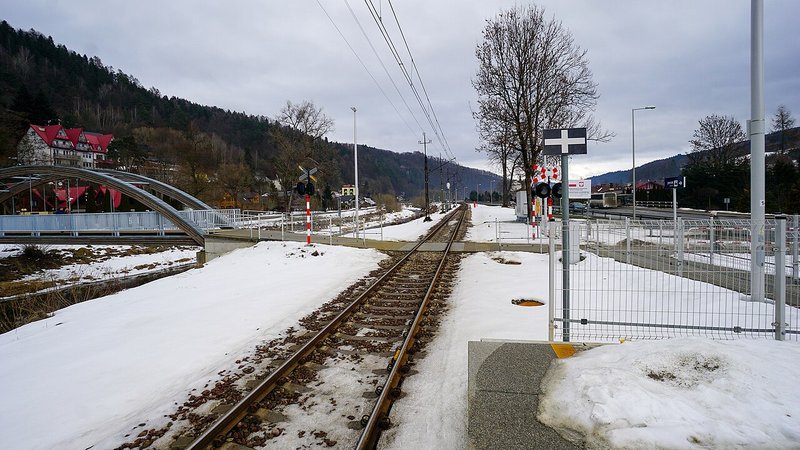
This image is believed to be available for open use. Credit: Igor123121 / Wikimedia Commons. If you are the rights holder and object, contact us and we'll remove it.
"It is highly likely that some Russian proxies have become more capable," the authors wrote. Unskilled recruits still carry out most operations, they said, but a semi-skilled tier now uses more complex methods, including improvised explosive devices with timed and remote detonators. In the 12 months to September 2026, the number of incidents involving arson doubled from seven to 14, while incidents involving IEDs increased from four to 11, the paper said. Arson rose from 7% of incidents to 16%, and explosives from 4% to 12%. "Arrests remove proxies but are highly unlikely to deter the RIS that direct them," it said, using RIS for the Russian intelligence services. The Kremlin "likely sets priorities for the wider campaign, leaving the RIS to direct individual operations," the key judgements say.
"Sabotage has not yet achieved a strategic effect, but a mass-casualty incident is possible as the space for miscalculation narrows," the paper said. Attacks have damaged European critical infrastructure and raised the costs of protection, it said, but they have not reduced European support for Ukraine. A single operation that caused fatalities or prolonged disruption "would generate demands for retaliation and likely expose divisions between European governments," it said. There is "no clear evidence" that the measures European governments have imposed "have made sabotage a less attractive instrument of Kremlin policy," the authors wrote. In an executive summary, they also said that despite recent attacks and attempted attacks in Estonia, Lithuania and Romania, no government has set out red lines, "with concern about escalation the primary instinct."
The IISS press statement described the same campaign as growing more capable even as more plots are foiled. In one figure, that statement said sabotage operations had increased by 14% in the last 12 months. The research paper and its executive summary put the increase at 16%. No on-record Kremlin response to the paper was found at the time of writing.
| Finding | As the IISS stated |
|---|---|
| Sabotage incidents, 12 months to September 2026 | Rose by 16%, even as total recorded activity fell |
| Arson | Doubled from 7 to 14 incidents; share rose from 7% of incidents to 16% |
| Improvised explosive devices / explosives | IED incidents increased from 4 to 11; explosives' share rose from 4% to 12% |
| Targets, October 2025 to September 2026 | More than half of recorded incidents were attacks on military-industrial (28%), transport (22%) or energy (7%) sectors |
| Germany and Poland | "It is highly likely that Germany and Poland will remain the most targeted states." The paper recorded 29 incidents in Poland in that 12-month period, of which 16 ended in arrests |
| Mass-casualty risk | "Sabotage has not yet achieved a strategic effect, but a mass-casualty incident is possible as the space for miscalculation narrows." |
| Deterrence | "Arrests remove proxies but are highly unlikely to deter the RIS that direct them." There is "no clear evidence" that European measures have made sabotage a less attractive instrument of Kremlin policy |
| Evidence base | Database "compiled exclusively from publicly available information and therefore likely does not capture the full extent of Russian operations" |
Table: GROKsiNEWS.com. Source: Charlie Edwards, Tom Field and Zoe Lambert, "Russia's Unconventional War on Europe: Sabotage, Deterrence and Future Scenarios," International Institute for Strategic Studies, November 2026, including the key judgements and the executive summary. The IISS press statement of Nov. 26, 2026, gave a 14% figure for the rise in sabotage operations; this table uses the 16% figure from the paper.

This image is believed to be available for open use. Credit: SilvioMartin / Wikimedia Commons. If you are the rights holder and object, contact us and we'll remove it.
Sources
- Charlie Edwards, Tom Field and Zoe Lambert, "Russia's Unconventional War on Europe: Sabotage, Deterrence and Future Scenarios," International Institute for Strategic Studies research paper, November 2026 (PDF)
- IISS, executive summary of the same paper, November 2026 (PDF)
- IISS press statement, "Russian sabotage in Europe growing more capable even as more plots are foiled, IISS finds," Nov. 26, 2026
- The Guardian, Jon Henley, "'Mass-casualty event' in Europe possible amid rise in Russian sabotage, says thinktank," Nov. 27, 2026
- GROKsiNEWS.com, "Estonia says it will close all border crossings with Russia on Dec. 1, citing a GRU-ordered sabotage attempt"
- GROKsiNEWS.com, "Lithuania calls attempted arson at Starlink station near Vilnius a Russia-linked act of sabotage"
- Wikimedia Commons, "Railway tracks - Kierszek (1).jpg"
- Wikimedia Commons, "Railway line no. 105, viev to N in Muszyna City, Poland.jpg"
- Wikimedia Commons, "Schornstein Scholven Hochspannungsleitung.jpg"