Iraq PM orders ministry to run Kurdish-secured oilfields
Prime Minister Ali Falih al-Zaidi ordered the federal Oil Ministry on Tuesday, Nov. 24, 2026, to run its oilfields in four provinces where Kurdish authorities control security, the Iraqi News Agency reported. Kurdistan Region leaders rejected the decisions, according to the regional government's U.S. representation.
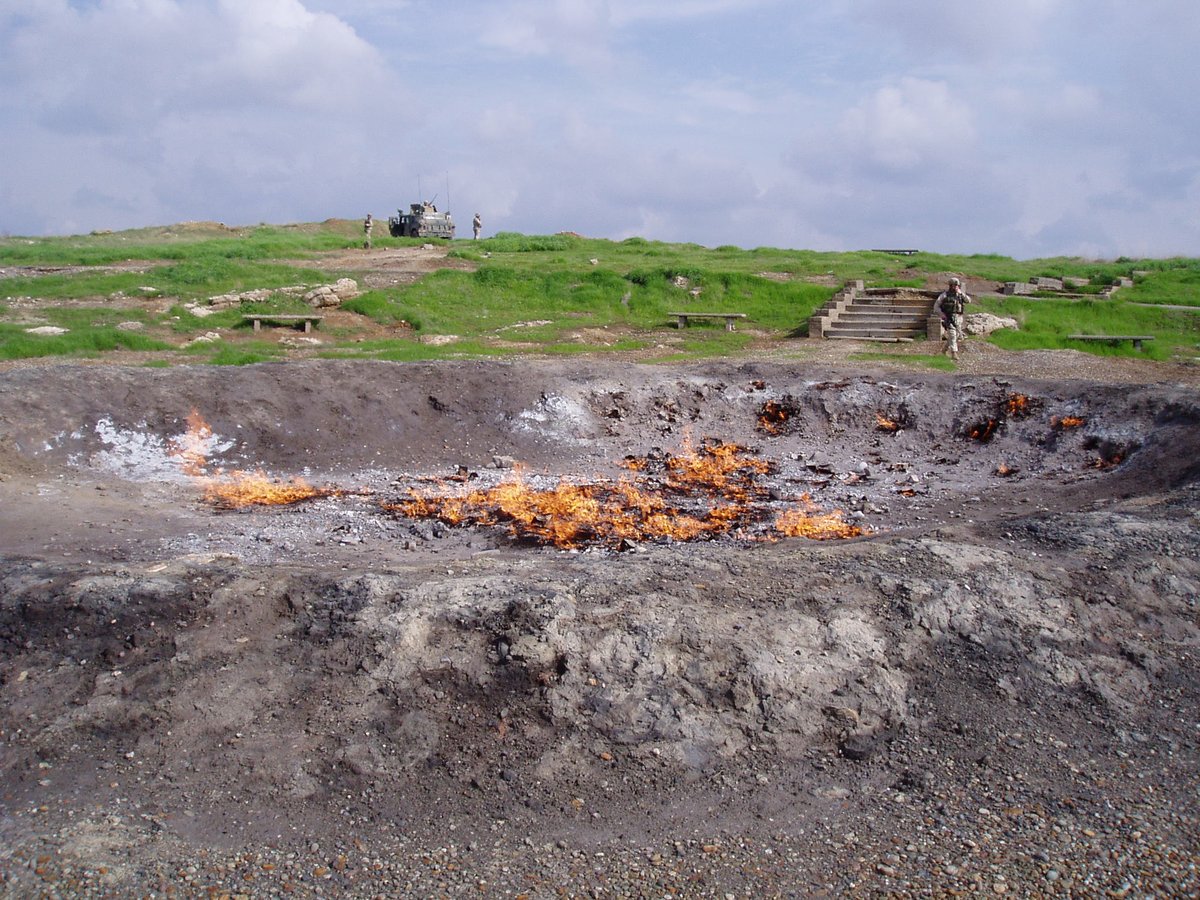
This image is believed to be available for open use. Credit: Chad Hill (Chad.r.hill at English Wikipedia). If you are the rights holder and object, contact us and we'll remove it.
As of 5:15 p.m. ET, Tuesday, Nov. 24, 2026
Iraqi Prime Minister Ali Falih al-Zaidi ordered the federal Oil Ministry on Tuesday, Nov. 24, 2026, to run all ministry oilfields in Diyala, Kirkuk, Salahuddin and Nineveh provinces that are under the security control of the Kurdistan Regional Government, the state-run Iraqi News Agency (INA) reported.
The order was one of a series of measures announced after al-Zaidi reviewed a special investigative committee's report on oil smuggling at the North Oil Company, INA said, citing a statement from Sabah al-Numan, the spokesman for the commander in chief of the armed forces. INA's report was stamped 10:39 a.m. Baghdad time (2:39 a.m. ET).
According to INA, the measures concerning the Kurdistan Region also: - instruct the regional government's presidency not to grant approvals to export crude oil or oil products except through the federal Oil Ministry, "to prevent overlapping powers"; - direct the federal Border Ports Authority to take over all border crossings in the Kurdistan Region; - order the Interior Ministry's energy police to take charge of all oilfields and monitor them with cameras, including fields inside federal administrative boundaries that are under the regional government's security control.
INA also reported dismissals and disciplinary steps. They included removing the head of the Border Ports Authority, dismissing Kirkuk's operations commander and police chief, and suspending the North Oil Company's director general and his deputies pending an investigation by the Federal Integrity Commission.
Kurdish leaders rejected the decisions. In a summary of statements issued Tuesday, the Kurdistan Regional Government's Representation in the United States said Prime Minister Masrour Barzani "strongly rejected" the decisions on border crossings, oil exports and oilfield administration. It said he called them "unacceptable and inconsistent with the understandings reached during recent negotiations between Erbil and Baghdad."
The representation said Masrour Barzani pledged that the region would respect and implement decisions consistent with Iraq's constitution but would not accept measures outside it, and that he remained ready to continue talks with Baghdad. It said Kurdistan Region President Nechirvan Barzani "categorically rejected addressing the Kurdistan Region in military language."
INA's report is in Arabic. Its contents are summarized and paraphrased here by GROKsiNEWS.com. The one quoted phrase from it, "to prevent overlapping powers," is a GROKsiNEWS.com translation. The Kurdish leaders' positions are quoted from the representation's English-language summary, not from their original statements.
Sources
- Iraqi News Agency (INA), Arabic, Nov. 24, 2026, 10:39 a.m. Baghdad (read in full)
- KRG Representation in the United States, "Kurdish Leaders Reaffirm Unity, Constitutional Rights, and Call for Dialogue with Baghdad," Nov. 24, 2026, 2:47 p.m. ET (read in full)