NC officials urge water conservation as drought deepens
North Carolina environmental officials are asking residents to conserve water as 39 counties sit in extreme drought and 17 more in severe drought, with several major reservoirs below normal.
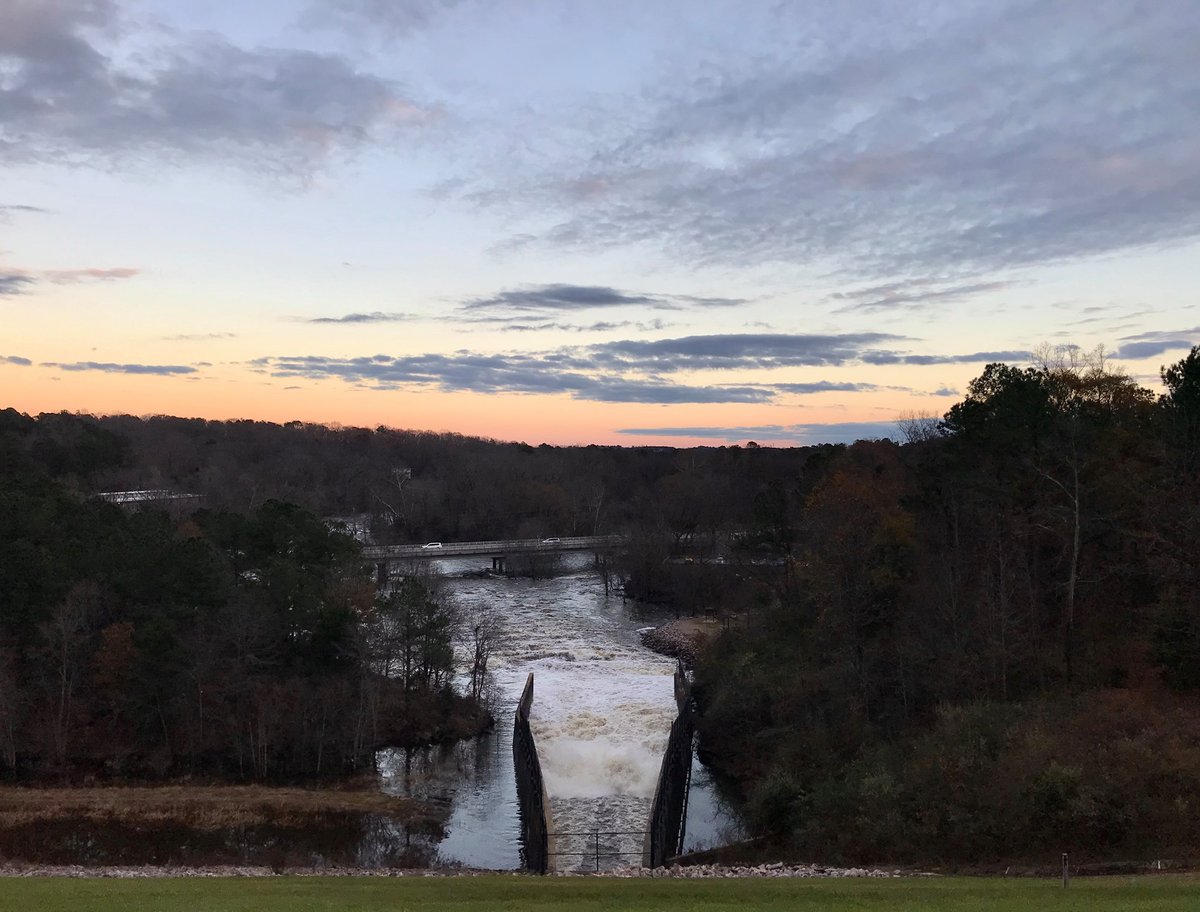
This image is believed to be available for open use. Credit: Indy beetle. If you are the rights holder and object, contact us and we'll remove it.
As of 8:41 a.m. ET, Saturday, Nov. 21, 2026
North Carolinians are being asked to conserve water as abnormally low rainfall across most of the state worsens drought conditions, the N.C. Department of Environmental Quality said Thursday, Nov. 19, 2026.
There are 39 counties in central and eastern North Carolina in extreme drought and another 17 in severe drought, according to classifications released Thursday by the North Carolina Drought Management Advisory Council, DEQ said. The council's current map reflects conditions as of Nov. 17. The largest rainfall deficits are in the eastern half of the state, the department said.
"With drought conditions persisting for more than one year across the state, many of our streams and water supply reservoirs are at alarmingly low levels," DEQ Secretary Reid Wilson said.
As of Nov. 16, Jordan Lake was 3.92 feet below normal with 96% of its water supply pool remaining, the John H. Kerr Reservoir was 9.8 feet below normal with 48% remaining, and Falls Lake was 6.57 feet below normal with 61% of its water supply pool remaining, according to DEQ. As of Nov. 17, the City of Durham had 76 days of easily accessible water supply, the department said.
Gov. Josh Stein said in the release that he shares residents' concerns about the drought. "Unfortunately, only increased rainfall will bring an end to the drought. I encourage people to check with their local water systems for the best ways to help conserve water in their homes and businesses," Stein said.
Water systems in counties under extreme drought are advised to follow their water shortage response plans and water-use reduction measures, DEQ said. Residents can check with their local water system about restrictions such as limits on lawn watering or car washing, the department said. In southeastern North Carolina, Columbus, Bladen and Brunswick counties are in extreme drought and New Hanover County is in moderate drought, WECT reported.
DEQ said there is a possibility of modest rain this weekend, especially at the coast, but that deficits remain large. GROKsiNEWS.com reported earlier this month on eastern North Carolina farmers facing the drought.
Sources
- N.C. Department of Environmental Quality, "North Carolinians encouraged to conserve water as drought deepens," Nov. 19, 2026
- North Carolina Drought Management Advisory Council, current conditions
- WECT, "NC officials urge water conservation as drought conditions worsen," Nov. 19, 2026
- GROKsiNEWS.com, "Eastern North Carolina farmers face worsening drought as state lists 14 counties in extreme drought"